All Services
-
-
 Affective Disorders (Depression, BPAD, Mania) Oct 06, 2025
 -
 Obsessive and Compulsive Disorders Sep 27, 2025
 -
 Stress Related Disorders (PTSD) Oct 06, 2025
 -
 Eating Disorders (Anorexia and Bulimia Nervosa) Oct 06, 2025
 -

-
 Phobias (Social and Specific Phobias) Oct 06, 2025
 -
 Puerperal Disorders (Postpartum Blues, Postpartum... Oct 06, 2025
 -

-

-
 Personality Disorders (Schizoid, Borderline) Oct 06, 2025
 -
 Conversion Disorders Oct 06, 2025
 -
 Neuropsychiatry Oct 06, 2025
Obsessive and Compulsive Disorders
What is Obsessive-Compulsive Disorder (OCD)?
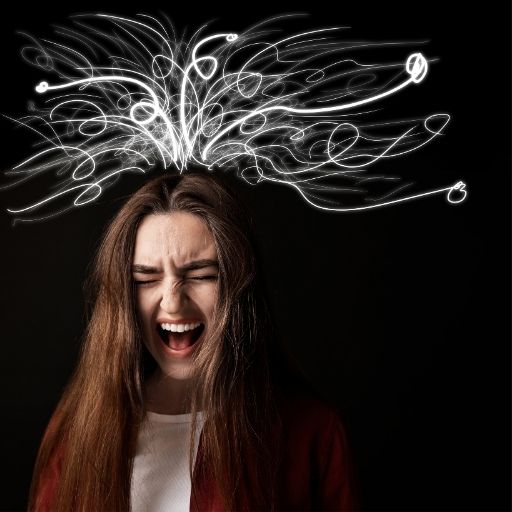
Obsessive-Compulsive Disorder (OCD) is a chronic anxiety disorder characterized by two main components: recurrent, unwanted thoughts, images, or urges (obsessions) that cause distress, and repetitive, ritualistic behaviors (compulsions) that an individual feels driven to perform to temporarily neutralize the anxiety. OCD can consume hours of a person’s day and severely impact work, relationships, and personal life. Common obsessions include contamination fears or a need for symmetry, while compulsions may involve excessive washing, checking, or ordering.
Expert Diagnosis and Specialized Care
Accurate diagnosis by a specialized psychiatrist is the first critical step. Dr. Behara recognizes that the nature of OCD can vary greatly, and the "themes" (e.g., checking, washing, counting) are unique to each individual. Our specialized care is anchored by the most effective intervention for OCD: Exposure and Response Prevention (ERP), a form of CBT. ERP helps patients gradually face their obsessive triggers without performing the compulsion, teaching the brain that the anxiety naturally subsides.
Common Issues We Address
-
Intrusive, distressing thoughts (e.g., harm, contamination, religion, sex).
-
Repetitive checking (locks, appliances, tasks).
-
Excessive washing, cleaning, or ordering/arranging.
-
Mental rituals (reviewing, neutralizing thoughts).
-
Significant time spent on rituals, causing lateness or poor performance.
-
Emotional distress and functional impairment due to obsessions and compulsions.
Integrated Treatment for Lasting Relief
Dr. Sravani’s treatment strategy combines specialized psychological techniques with sophisticated pharmacotherapy. Certain medications can significantly reduce the severity of obsessions and compulsions, making the therapeutic work more accessible. We provide ongoing support to manage anxiety, prevent relapse, and ensure the patient is empowered to live a life directed by their values, not by their rituals.
How to Support Someone with OCD
-
Do not participate in rituals: Avoid confirming their safety or re-checking things for them (e.g., don't say the door is locked); this only feeds the OCD.
-
Encourage ERP homework: Support their efforts to engage in Exposure and Response Prevention (ERP) by being a supportive, non-critical presence.
-
Separate the person from the disorder: Remind them that the thoughts are OCD, not who they truly are.
-
Be patient: Recovery is a non-linear process; acknowledge their struggle and celebrate small victories.